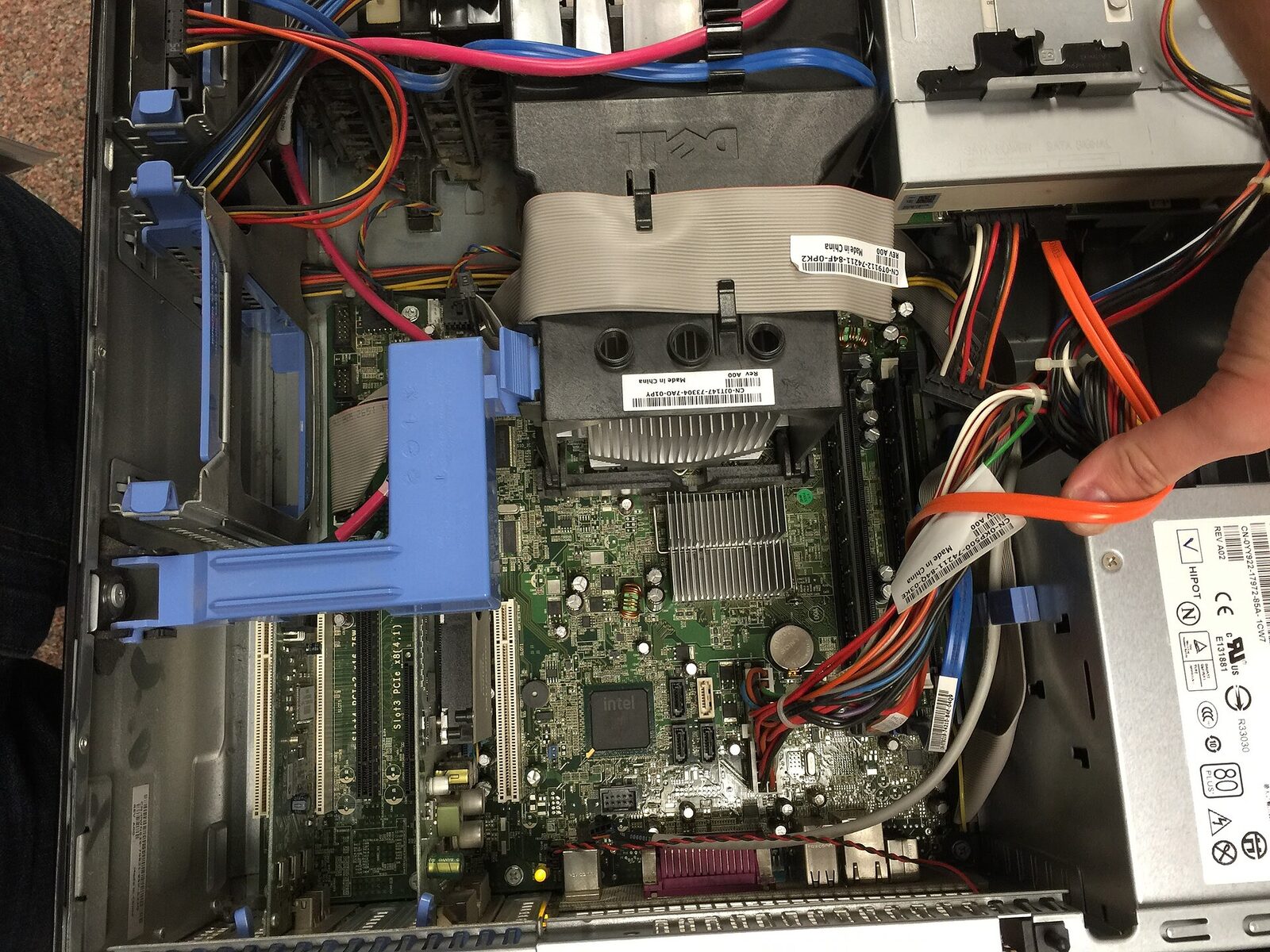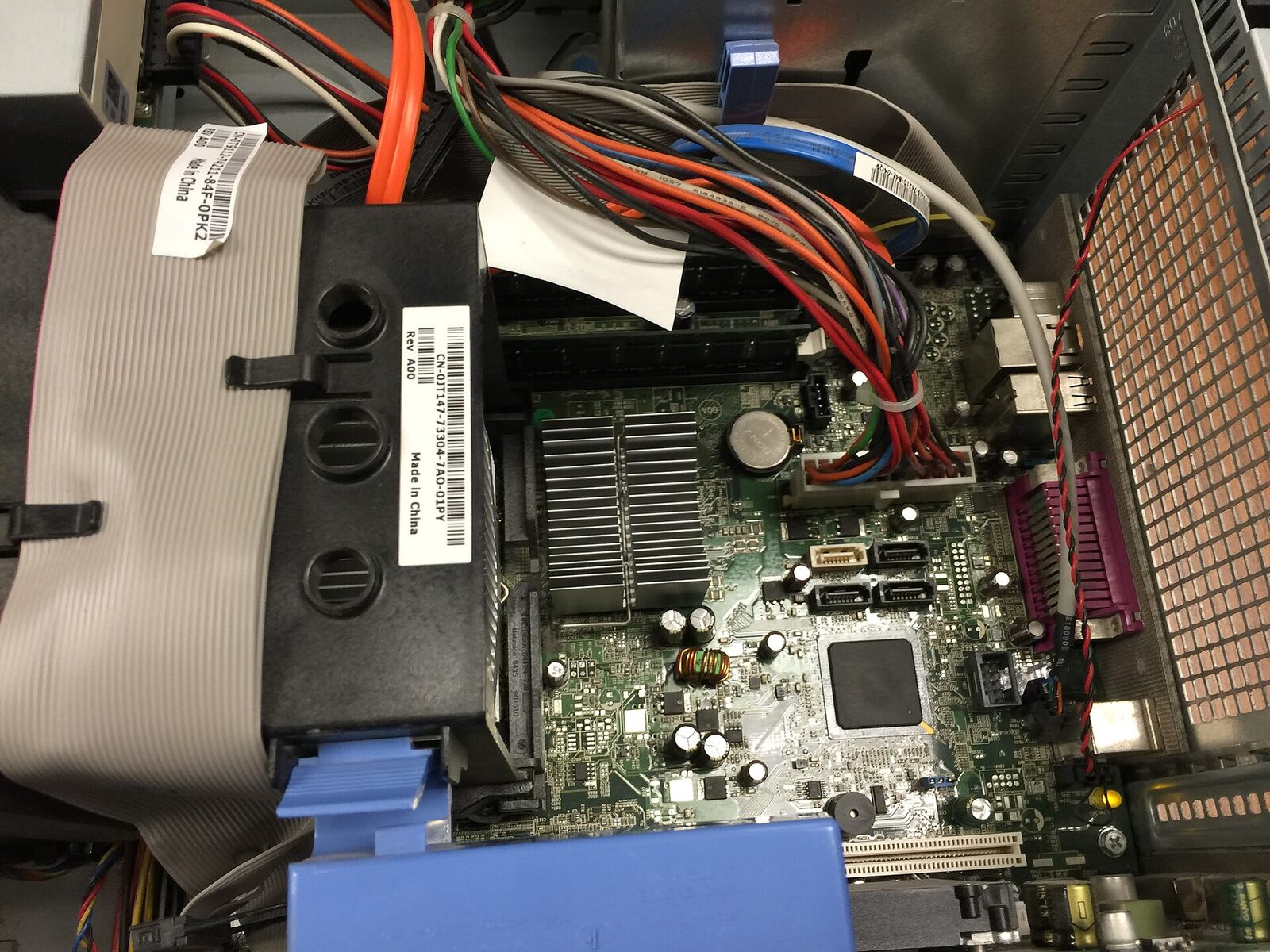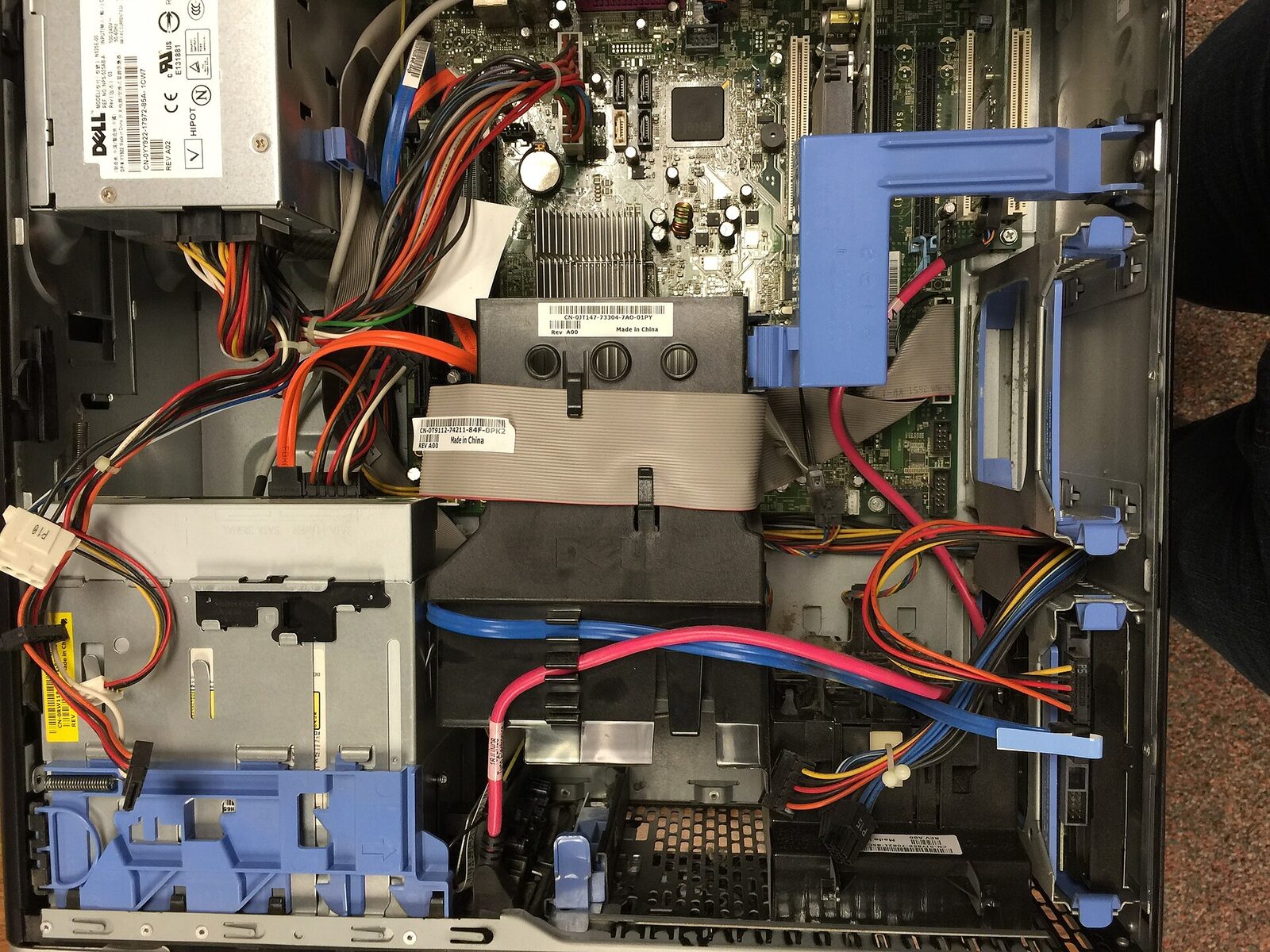
If the PC is slow, upgrade the storage first when the machine still runs on a hard drive; that single swap delivers the largest felt improvement for most general use. After that, add memory if the system is paging or struggling with many open programs, and only then consider a graphics card if the work or play is visibly GPU-bound. The order that works is storage, then RAM, then GPU, and the way to know which one is the limit is to watch what maxes out while you work.
Where to go first: storage
For any PC that still boots from a spinning hard drive, the first destination is a solid-state drive. The [PC upgrade path guide](https://techupgradeguide.com/pc-upgrade-path) states that an SSD is the main priority for most general-use machines, and the [Daves Computers parts explainer](https://www.davescomputers.com/pc-parts-explained/) agrees that this single part makes the whole system feel faster. A reader who has never opened the case should start here because the difference between an HDD and an SSD is the difference between waiting two minutes and waiting twenty seconds for the desktop to appear. The cost is the drive itself, and the installation is a straight swap for a 2.5-inch or M.2 unit, depending on the motherboard. No account, no card, no subscription, just a physical part and a screwdriver. The [Hardware Smart value guide](https://hardware-smart.com/best-value-pc-upgrade-order-which-part-to-replace-first-for-the-biggest-gains/) confirms that this is the cheapest way to make an old machine feel new, and the [Tech Upgrade Guide on what to upgrade first](https://techupgradeguide.com/pc-upgrade-path/what-to-upgrade-first) repeats the same advice. If the PC already has an SSD, skip this section and look at memory.
Next: memory when the system pages
If the storage is already solid-state, the next bottleneck is usually RAM. The [HP upgrade guide](https://www.hp.com/gb-en/tech-takes/components/how-to/pc-upgrade-guide.html) notes that memory matters when the system is paging or multitasking badly, that is, when the disk light stays on while the browser has forty tabs open and the spreadsheet is grinding. The [PC Build Check priority tool](https://www.pcbuildcheck.com/en/tools/pc-upgrade-priority-calculator) lets a reader plug in their current parts and see whether RAM or the CPU is the limiting factor, and the [PCWorld upgrade-or-buy guide](https://www.pcworld.com/article/2009503/upgrade-or-buy-a-new-pc-a-guide.html) says the same thing: if the machine is swapping to disk, more memory is the fix. The [Tech Upgrade News budget guide](https://techupgradenews.com/budget-pc-upgrade-guide-what-to-upgrade-first-between-gpu-cpu-ram-or-ssd/) ranks RAM second for a reason, it is cheap, easy to install, and does not require reinstalling the operating system. A reader who wants to check whether memory is the problem before buying anything can open the Task Manager on Windows and look at the Performance tab; if the "Committed" or "In use" figure is close to the total installed RAM, that is the limit. The [Why Is My bottleneck checker](https://whyismy.org/tools/pc-upgrade-priority-checker) also points to memory as the second step for general use.
Graphics last, and only for games or GPU work
The graphics card is the last thing to upgrade, and only if the bottleneck is in gaming or GPU-accelerated work like video rendering or 3D modeling. The Tech Upgrade Guide gaming page states that a GPU matters when the frame rate is low in games, but it does nothing for boot times or web browsing. A reader who plays older titles or works in spreadsheets will not see a benefit from a new card, and a CPU and GPU bottleneck calculator can show whether the CPU or the GPU is holding the system back in a specific game. For anyone who does need a card, the PC Part Picker lists current models and prices, and the TechPowerUp GPU database gives benchmark scores so a reader can compare cards without buying blind. The CPU Benchmark site is the place to check whether the processor will feed the new card or become the next bottleneck. If the reader is not playing games and does not edit video, skip the GPU entirely, the money is better spent on a larger SSD or more RAM.
The thing people get wrong: buying parts before knowing the limit
The most common mistake is buying a graphics card for a machine that is actually storage- or memory-bound. A reader who installs a new GPU into a PC with a mechanical drive will still wait two minutes for the desktop, and a reader who adds RAM to a machine with a dying HDD will still see the disk light stay on. The [PCWorld guide](https://www.pcworld.com/article/2009503/upgrade-or-buy-a-new-pc-a-guide.html) makes the point that the slowest part in the chain is the one to replace, and the [Tech Upgrade News budget guide](https://techupgradenews.com/budget-pc-upgrade-guide-what-to-upgrade-first-between-gpu-cpu-ram-or-ssd/) repeats that the order is SSD, then RAM, then GPU for a reason. The other mistake is assuming that more cores or a faster CPU is the answer; for most general use, the CPU is rarely the bottleneck, and the [Why Is My checker](https://whyismy.org/tools/pc-upgrade-priority-checker) will show that a modern dual-core is fine for browsing and office work. The [Build Ranked site](https://buildranked.com/) lets a reader compare whole builds, but the priority tool at [PC Build Check](https://www.pcbuildcheck.com/en/tools/pc-upgrade-priority-calculator) is more useful for a single-part decision.
What to check before committing
Before buying anything, check three things. First, the motherboard manual or the [PC Part Picker](https://pcpartpicker.com/) compatibility filter will tell a reader which storage and memory types are supported, an old machine may take DDR3, not DDR4, and a laptop may have no M.2 slot. Second, the [CPU Benchmark site](https://cpubenchmark.net/) shows whether the current processor is fast enough to justify a new GPU; if the CPU scores low, the new card will sit idle. Third, the [TechPowerUp GPU database](https://techpowerup.com/) gives the power draw and physical size of a card, so a reader can check whether the power supply has the right cables and the case has the room. The [HP guide](https://www.hp.com/gb-en/tech-takes/components/how-to/pc-upgrade-guide.html) also reminds readers to check whether the machine is still under warranty, because opening the case may void it. For a reader who is not sure where to start, the [Bottleneck Calculator](https://bottleneckcalculator.biz/) takes a CPU and GPU model and estimates the balance, it is not perfect, but it is a free first step that requires no account.
Frequently Asked Questions
How do I know if my PC is storage-bound or memory-bound?
Open the Task Manager on Windows and look at the Performance tab. If the disk usage is at 100% while the CPU and memory are low, the storage is the limit; if the memory usage is near the total installed and the disk is also active, the system is paging and needs more RAM.
Is it worth upgrading a five-year-old laptop, or should I buy a new one?
If the laptop has a replaceable drive and memory slots, an SSD and a RAM upgrade can make it usable for another two years for under the cost of a new machine. If the RAM is soldered and the drive is not replaceable, the money is better saved for a new purchase.
Can I upgrade the graphics card in a pre-built office PC?
Often yes, but the power supply is usually the limit, many office desktops come with a 180W or 240W unit that has no PCIe power cable. Check the power supply wattage and the card's power draw on [TechPowerUp](https://techpowerup.com/) before buying, and expect to replace the PSU if the card needs more than the slot provides.
Will more RAM speed up my PC if I already have an SSD?
Only if the system is running out of memory. If the Task Manager shows that memory usage stays below 80% during normal work, adding RAM will not make the machine faster, the SSD already removed the biggest delay, and the CPU is the next limit.
How do I check whether my CPU or GPU is the bottleneck in games?
Run the game with a frame-rate counter and lower the resolution and graphics settings. If the frame rate stays the same, the CPU is the limit; if it goes up, the GPU was the bottleneck. The [Bottleneck Calculator](https://bottleneckcalculator.biz/) gives a rough estimate without running anything.
More on pc hardware
This is one of the guides in Free Tools for Checking Your PC. The others: