


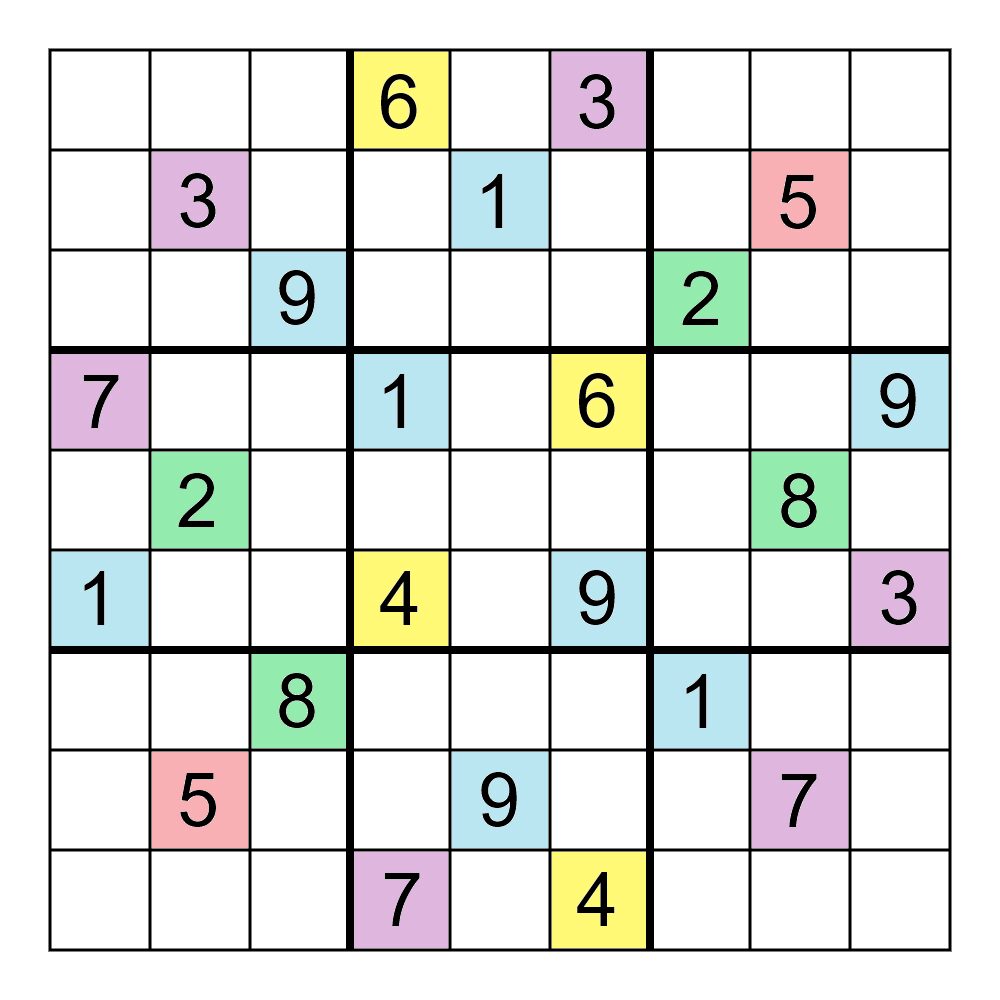
If you typed "where to" into a search box, the fastest answer is Daily Sudoku for a fresh puzzle every day, PrintSudoku for a deep archive, and NetSudoku for a clean interface with a solid FAQ. All three are free, run in your browser, and need no account or card to start playing.
The Four Destinations, and Who Each Suits
Daily Sudoku: Best for a Quick, Varied Fix
Daily Sudoku gives you one new puzzle per day at four levels: Easy, Medium, Hard, and Expert. You also get an archive of past puzzles, so you are never stuck with nothing to do. It works entirely in the browser, and you can print any grid as a PDF if you prefer paper. This is the best first stop for most people: you get a fresh challenge daily, and the archive means you can keep playing for months without repeating a grid. The site does not push you toward an account or a card, though the exact requirements are not spelled out on the page itself.
PrintSudoku: Best for a Deep Archive
PrintSudoku has been posting daily puzzles since 2005, which means thousands of grids in its history. You can replay any of them online or print them as PDFs. This is the place to go when you have finished today's puzzle everywhere else and want something older. The interface is plain, but that is a feature: no clutter, no prompts to sign up, just grids. If you like a long session of solving without interruption, this is your best bet.
NetSudoku: Best for Understanding the Rules
NetSudoku is a free online Sudoku with a FAQ that actually explains how difficulty works. The site checks every puzzle to make sure it has exactly one solution before showing it to you, which is not true of every free site. If you are new and want to understand why some puzzles are harder than others, start here. The interface is clean and fast, and you can play without creating any kind of account.
Sudoku.com Daily Sudoku: Best for a Modern Interface
Sudoku.com offers a free daily puzzle with an archive and multiple difficulty levels, while you can play Sudoku online with daily challenges, leaderboards, weekly competitions and 30+ variants. The interface is more polished than the others, with clear highlighting and a note-taking mode. It is a good choice if you find the older sites visually cluttered or confusing. The free tier is genuinely free, though the site may show ads or prompt you to install an app, depending on your device.
What the Difficulty Labels Actually Mean
Here is the thing most people get wrong: Easy, Medium, Hard, and Expert are not standardized across different sites. A "Hard" puzzle on one site might be a "Medium" on another. The labels are just the site's own opinion of how tough the grid is.
What actually makes a puzzle hard is not the number of given clues. It is the techniques you need to solve it. An Easy puzzle can usually be solved with simple scanning and single candidates. A Medium puzzle might require you to look for pairs or triples. A Hard puzzle often needs something like an X-Wing or a chain of logic. An Expert puzzle might require several advanced techniques stacked on top of each other.
Here is what to look for in a puzzle's difficulty:
- Easy: You can solve it with basic elimination, one cell at a time, no notes needed.
- Medium: You will need to pencil in candidates and look for naked or hidden pairs.
- Hard: You will need advanced patterns like X-Wing, Swordfish, or simple chains.
- Expert: You will need multiple advanced techniques in combination, and you will likely need to use full notation.
One more thing: a well-formed Sudoku puzzle has exactly one solution. This is not a preference; it is the definition of a valid puzzle. If a grid has two possible solutions, it is not a proper Sudoku. The best sites, like NetSudoku, check for this before they publish a puzzle. Some sites skip this check, which is why you sometimes see a puzzle that seems to have multiple answers. If you find one, it is not you; it is the puzzle.
What to Check Before You Commit to a Site
Before you spend ten minutes on a site, check three things.
First, does it have an archive? A site with only today's puzzle is a dead end. You want somewhere you can play more than one grid per day. Daily Sudoku and PrintSudoku both have extensive archives.
Second, can you print? Some people prefer paper. If you are one of them, check that the site offers a print-friendly version or a PDF download. Daily Sudoku and PrintSudoku both do.
Third, does it check for a single solution? This is the most important technical detail. A puzzle with multiple solutions is broken. NetSudoku explicitly checks this. If a site does not mention it, you might be wasting your time on a bad grid.
As for accounts and cards: none of the four sites above require them for basic play. You can load the page and start solving. Some sites may offer optional accounts for saving progress or competing on leaderboards, but that is a choice, not a requirement. The same goes for payment cards: you do not need one to play. If a site asks for a card before showing you a puzzle, leave. That is not a free site; that is a trial.
Frequently Asked Questions
What is the minimum number of clues a valid Sudoku can have?
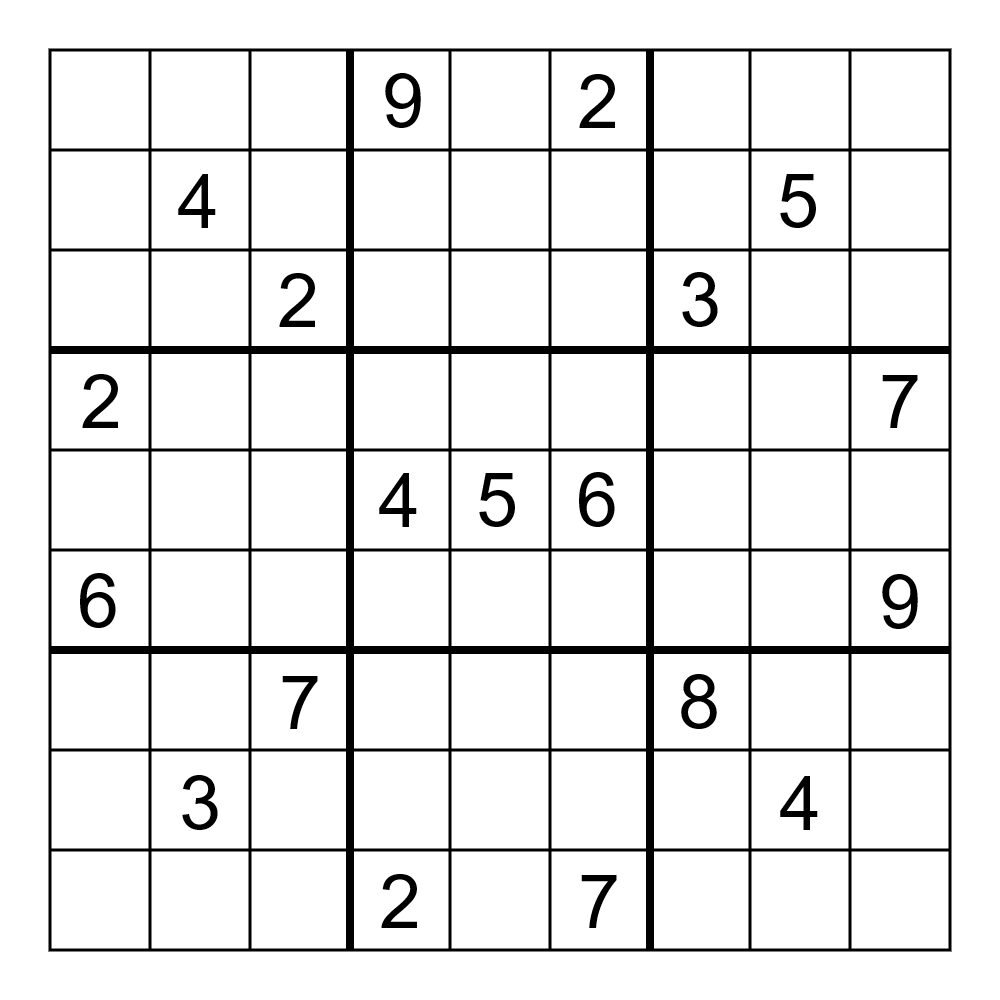
Seventeen is the minimum for a classic 9x9 Sudoku with a unique solution. Fewer than that, and you either get multiple solutions or no solution at all. This is a mathematical fact, not an opinion, and it is why you will rarely see a published puzzle with fewer than 17 clues.
Why does the same puzzle feel harder on one site than another?
Because difficulty labels are subjective. One site might call a puzzle "Hard" if it requires an X-Wing, while another site might call the same puzzle "Medium" because it only needs one advanced step. The labels are a rough guide, not a standard. If a puzzle feels too hard, try a different site's "Easy" level; it might be a better fit.
Can I play these sites on my phone?
Yes, all four sites work in a mobile browser. None of them require a dedicated app, though Sudoku.com might prompt you to download one. If you prefer a native app, you can still use the website version in your browser without installing anything. The experience is a bit smaller on a phone, but it works.
What should I do if a puzzle has two possible solutions?
Stop playing that grid and move on. A puzzle with multiple solutions is not a valid Sudoku; it is a mistake by the puzzle generator. On a good site, this will never happen. If it does happen on a site you like, consider emailing the webmaster. On a site you do not care about, just find another puzzle.
Is there any reason to pay for a Sudoku site?
Not for the basic game. The free sites above give you unlimited puzzles, archives, and printing. What you might pay for is convenience: no ads, a better interface, or advanced hint systems. But if you just want to solve puzzles, you do not need to spend a cent. The free tier on these sites is genuinely free, with no card required.
More on puzzle games
This is one of the guides in Where to Play Free Puzzle Games Online: Sudoku, 2048, Minesweeper and Mahjong. The others:









.png)